Yellowstone National Park isn’t just America’s first national park—it’s one of the most awe-inspiring natural destinations in the world. Spread across Wyoming, Montana, and Idaho, this vast wilderness is home to dramatic canyons, roaring waterfalls, steaming geysers, colorful hot springs, and some of the best wildlife viewing in North America. Whether you’re planning your first trip or returning for another adventure, knowing the must-see spots in Yellowstone will help you make the most of your visit. We hit these sites and more in packed days.
From historic landmarks like the Roosevelt Arch to iconic natural wonders such as Old Faithful and the Grand Prismatic Spring, here’s your comprehensive guide to Yellowstone’s top attractions.
1. The Roosevelt Arch: Yellowstone’s Historic Gateway
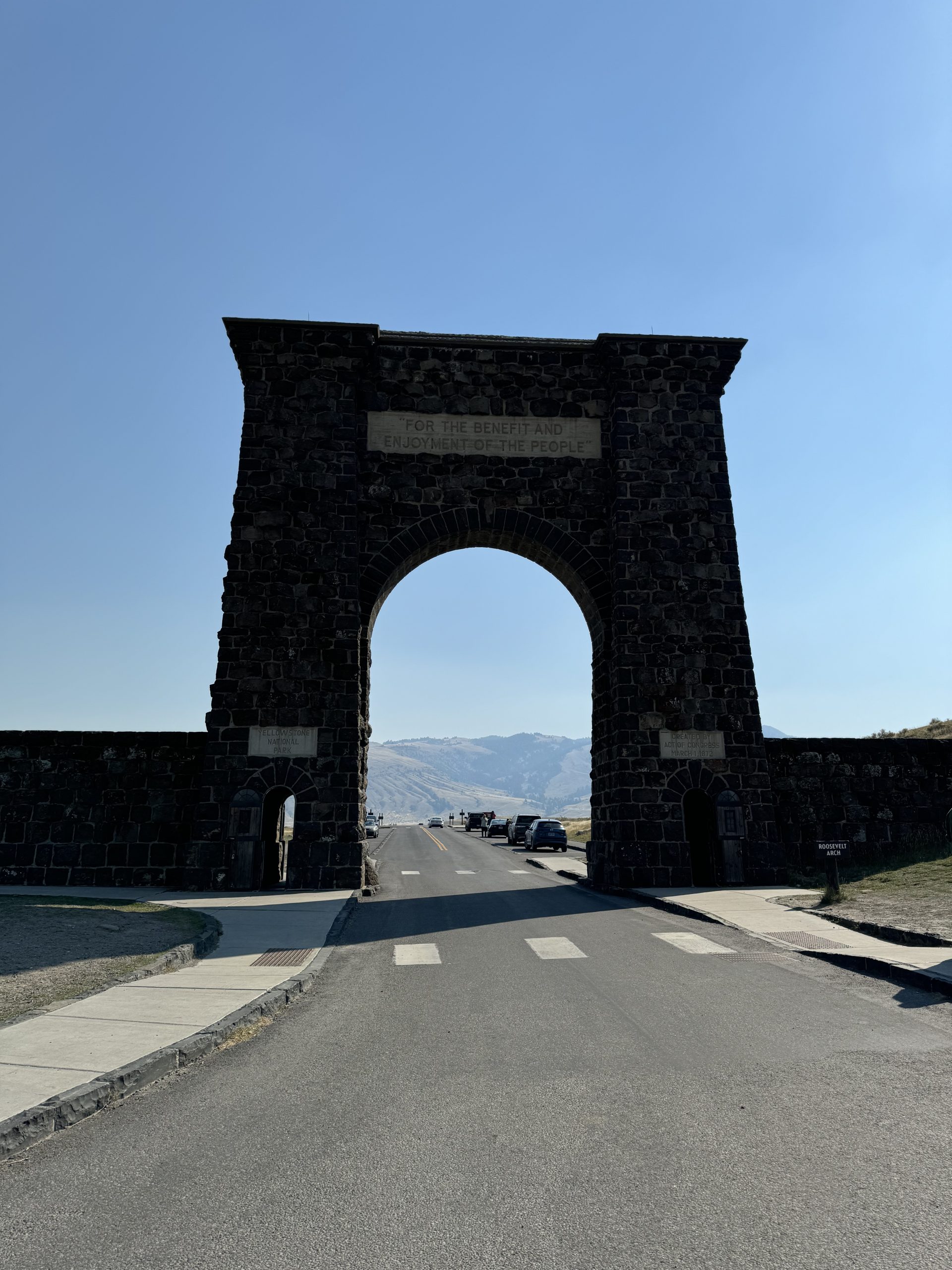
When visiting Yellowstone’s north entrance near Gardiner, Montana, you’ll be welcomed by the Roosevelt Arch, a towering stone gateway built in 1903. Inscribed with the words “For the Benefit and Enjoyment of the People,” this structure symbolizes Yellowstone’s role as the first U.S. national park.
- Why Visit? It’s both a photo opportunity and a piece of history. President Theodore Roosevelt himself laid the cornerstone, and the arch remains a reminder of the park’s legacy.
- Pro Tip: Sunrise or sunset light creates the best conditions for photos. Pair your stop here with a visit to the nearby Mammoth Hot Springs.
2. Mammoth Hot Springs: A Living Terraced Landscape
Just inside the north entrance lies Mammoth Hot Springs, a surreal area of steaming terraces built by calcium carbonate deposits. Over thousands of years, hot water from deep underground has created travertine formations that look like frozen waterfalls.
- Highlights: The Upper and Lower Terraces Boardwalks let you walk among vibrant mineral pools, steaming vents, and colorful deposits.
- Wildlife Alert: Elk often wander through Mammoth Village, especially in the fall.
- Best Time to Visit: Early morning for fewer crowds, and in winter when steam contrasts beautifully with snow.
3. Lamar Valley: Yellowstone’s Wildlife Paradise
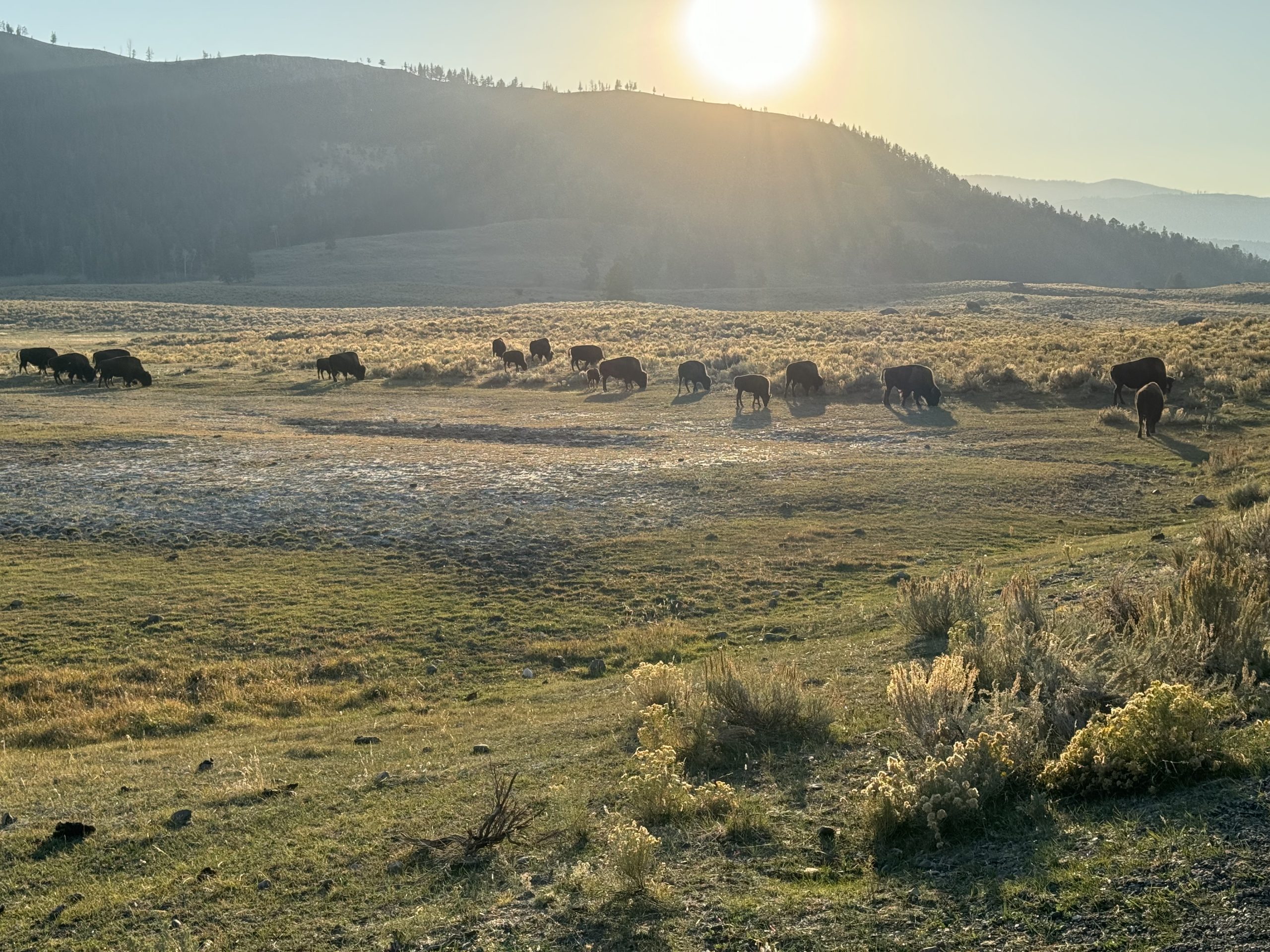
Known as the Serengeti of North America, Lamar Valley is the best place in the park to spot wildlife. Bison herds graze across open meadows, wolves prowl at dawn and dusk, and grizzly bears occasionally roam through.
- What to Bring: Binoculars or a spotting scope. Rangers and wildlife enthusiasts often gather along roadside pullouts—if you see a crowd with scopes, stop and look.
- Best Time: Early morning or evening. Wildlife is more active during cooler hours.
- Must-See Moment: Watching hundreds of bison crossing the valley during migration feels like stepping back in time.
4. Tower Fall: A Scenic Waterfall with Dramatic Cliffs
At 132 feet tall, Tower Fall plunges dramatically past eroded volcanic rock towers, giving the waterfall its name. Located near the Tower-Roosevelt area, it’s one of Yellowstone’s most photographed cascades.
- Why It’s Special: The combination of sharp basalt spires and rushing water is a striking contrast.
- Hike Option: A short trail leads to a viewpoint, and the general store nearby makes for a perfect snack stop.
5. The Grand Canyon of the Yellowstone: Nature’s Masterpiece
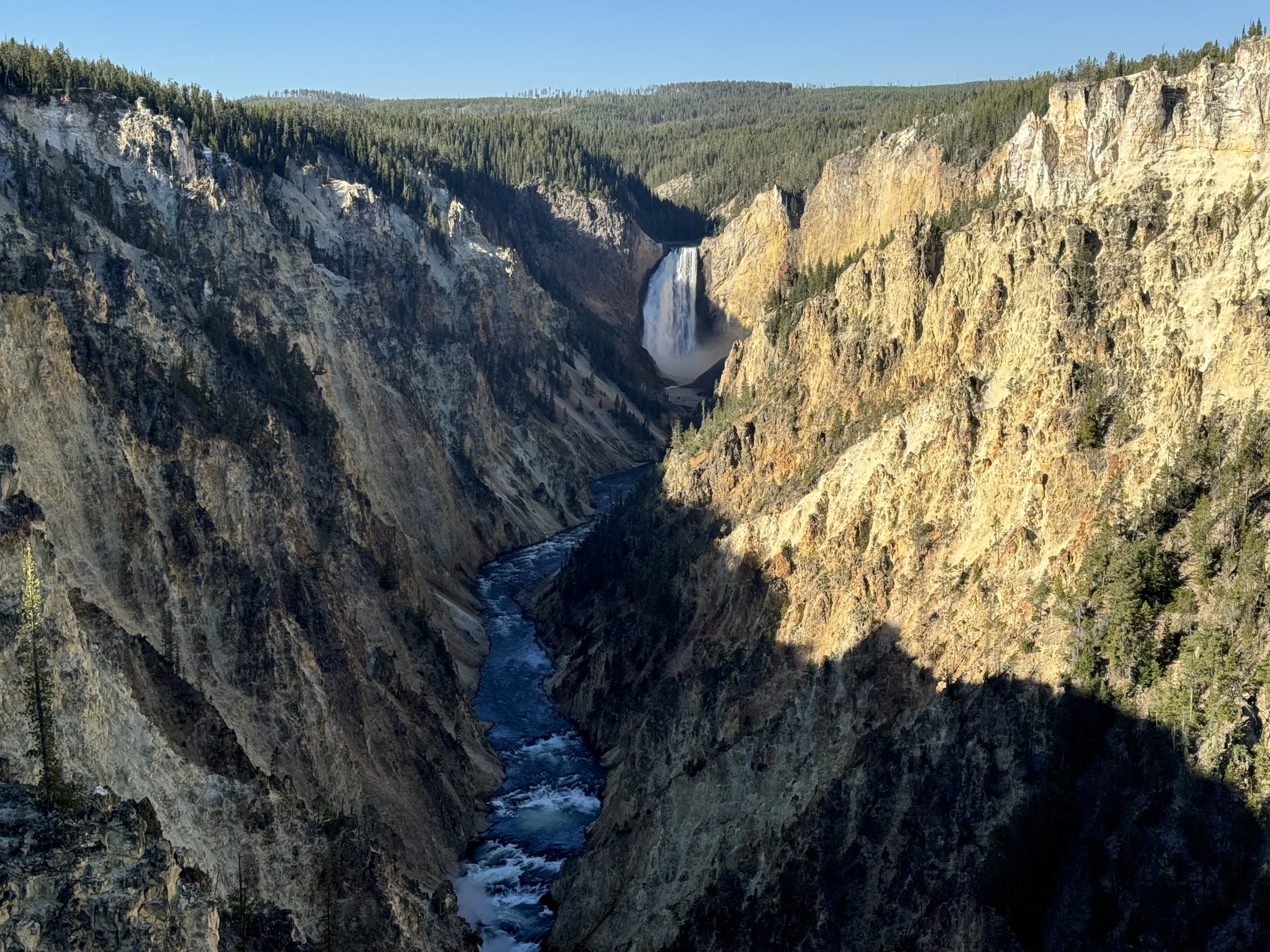
Few sights rival the grandeur of the Grand Canyon of the Yellowstone, a massive canyon carved by the Yellowstone River. Its colorful rock walls—ranging from yellow to red to pink—give Yellowstone its name.
- Key Viewpoints:
- Artist Point: Arguably the park’s most famous overlook, providing a sweeping view of Lower Falls framed by the canyon’s pastel walls.
- Lookout Point & Red Rock Point: Offer closer views of the roaring waterfall.
- Lower Falls: At 308 feet, it’s nearly twice the height of Niagara Falls.
This is a can’t-miss stop on any Yellowstone itinerary.
6. Artist Point: The Iconic Yellowstone View
If you’ve ever seen a postcard of Yellowstone, chances are it was taken at Artist Point. This viewpoint provides the most iconic look into the Grand Canyon of the Yellowstone.
- Why It’s Famous: The sweeping perspective makes it one of the most breathtaking overlooks in any U.S. national park.
- Photography Tip: Visit in the late afternoon for warm light illuminating the canyon walls.
7. Hayden Valley: Bison Herds & Serene Beauty
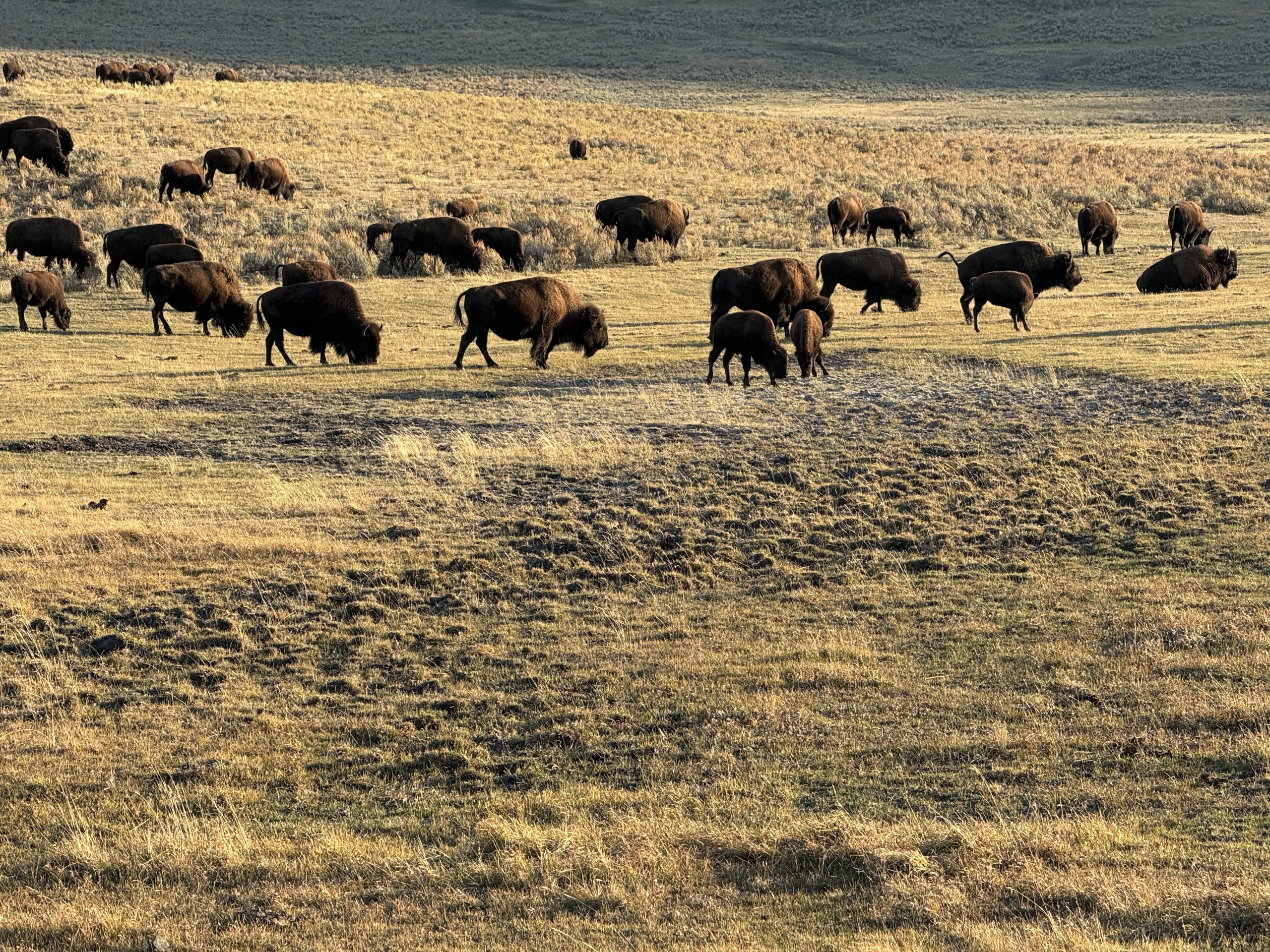
South of Canyon Village lies Hayden Valley, another wildlife hotspot. Unlike the rugged Lamar Valley, Hayden is characterized by open grasslands and meandering waterways.
- What You’ll See: Large herds of bison, elk, and often bald eagles. Grizzly bears are occasionally spotted here too.
- Best Time: Midday bison crossings can stop traffic, but sunrise brings mist over the river and the chance for magical photos.
- Insider Tip: Bring a picnic and spend time scanning the valley—you never know what might appear.
8. West Thumb Geyser Basin: Hot Springs on the Lake
Perched on the shores of Yellowstone Lake, West Thumb Geyser Basin combines geothermal wonders with lakefront views. You’ll see colorful pools, steaming geysers, and even hot springs bubbling beneath the lake’s surface.
- Don’t Miss: Abyss Pool, one of the deepest hot springs in the park, glowing with brilliant blue hues.
- Best Time to Visit: Morning, when steam rises dramatically in the cool air.
9. Old Faithful: Yellowstone’s Most Famous Geyser
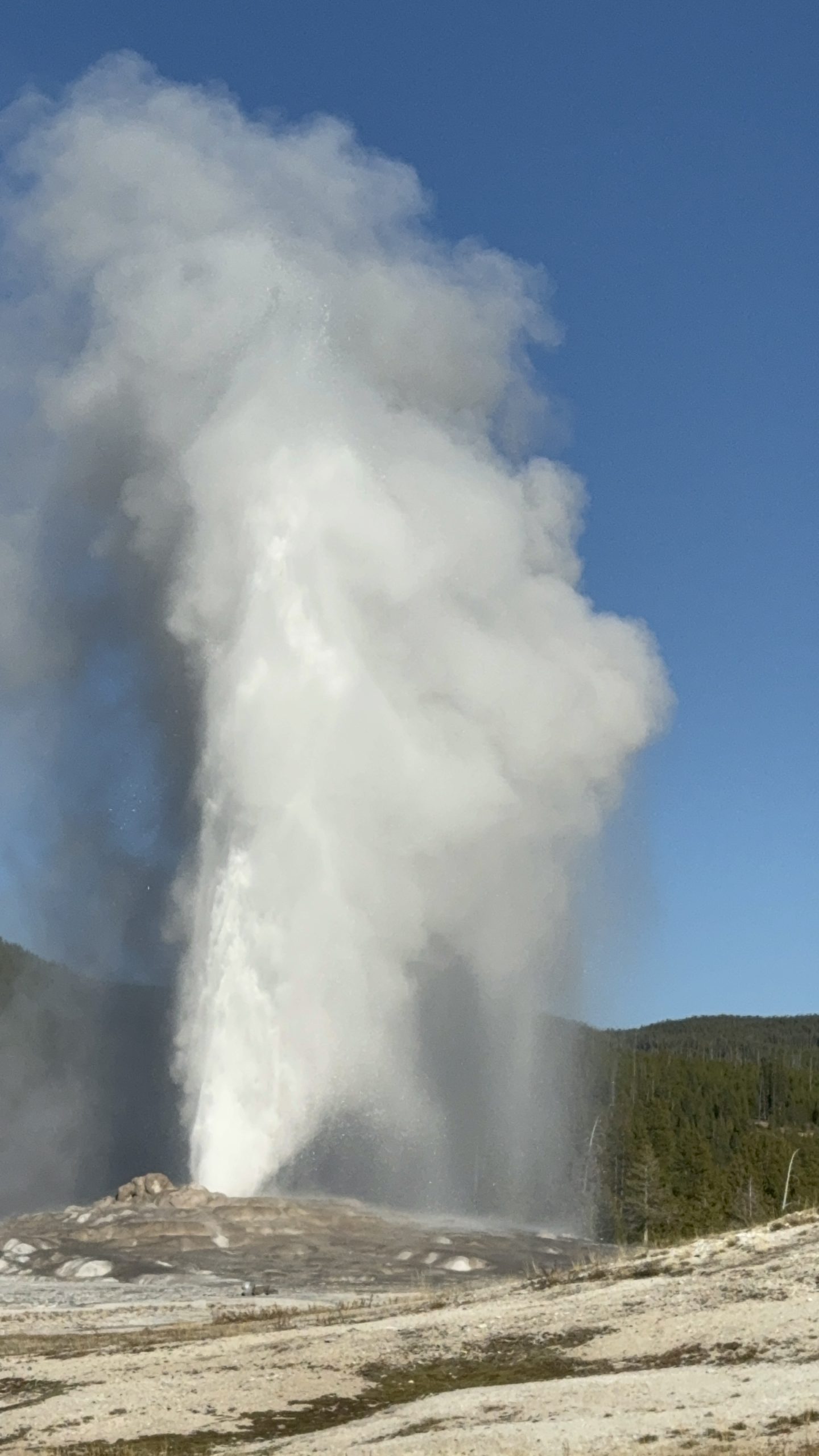
No trip to Yellowstone is complete without witnessing Old Faithful, the world’s most famous geyser. Erupting roughly every 90 minutes, it shoots boiling water up to 180 feet in the air.
- Why It’s Legendary: Consistency—Old Faithful has been erupting regularly for centuries.
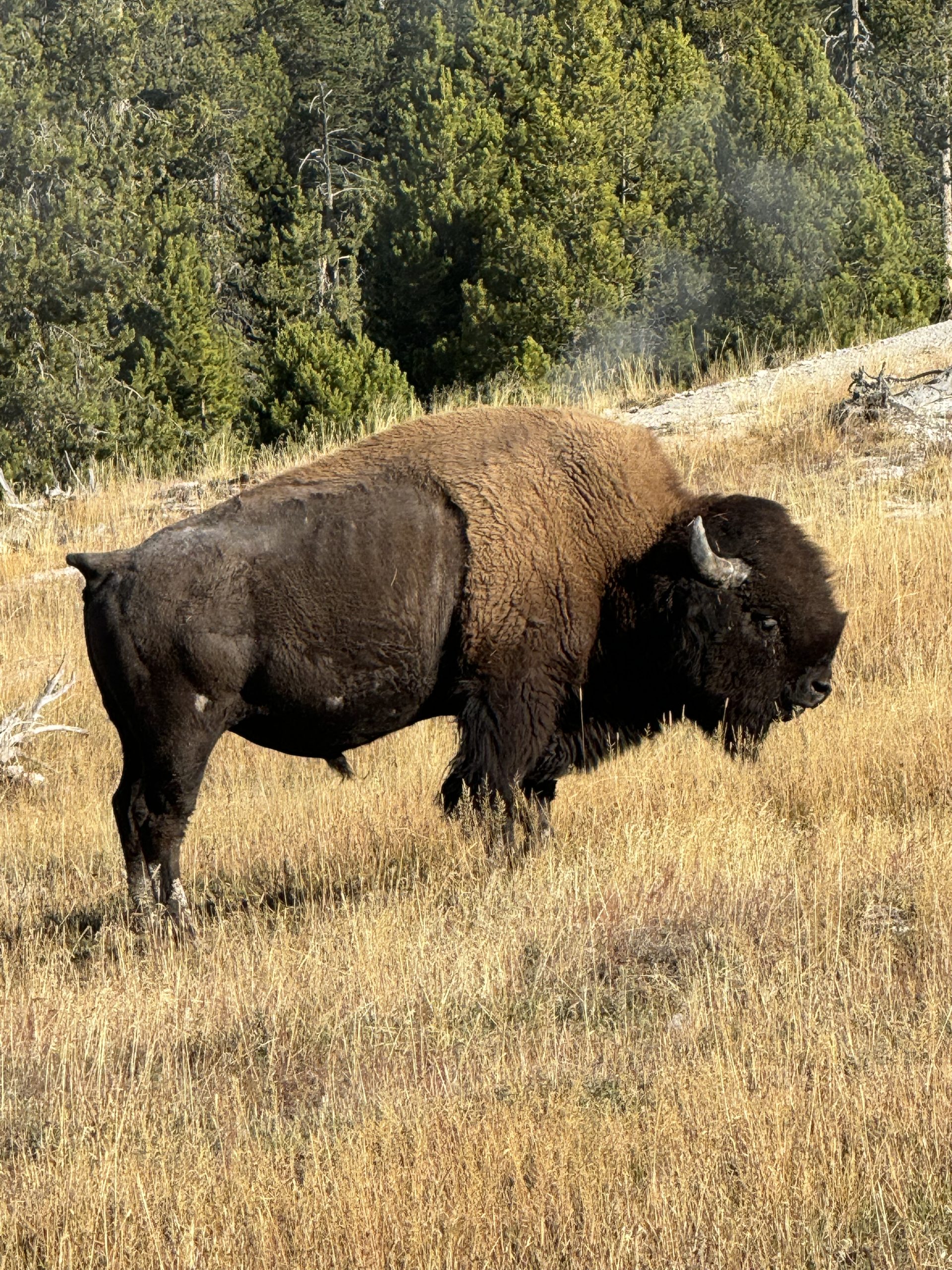
- Don’t Miss: Follow the path that leads up the hill behind Old Faithful to see plenty of other smaller geysers (and maybe a close-up encounter with a bison!).
- Viewing Tip: Check the visitor center for eruption predictions. Arrive early to get a front-row seat.
10. Old Faithful Inn: Historic Charm Beside the Geyser
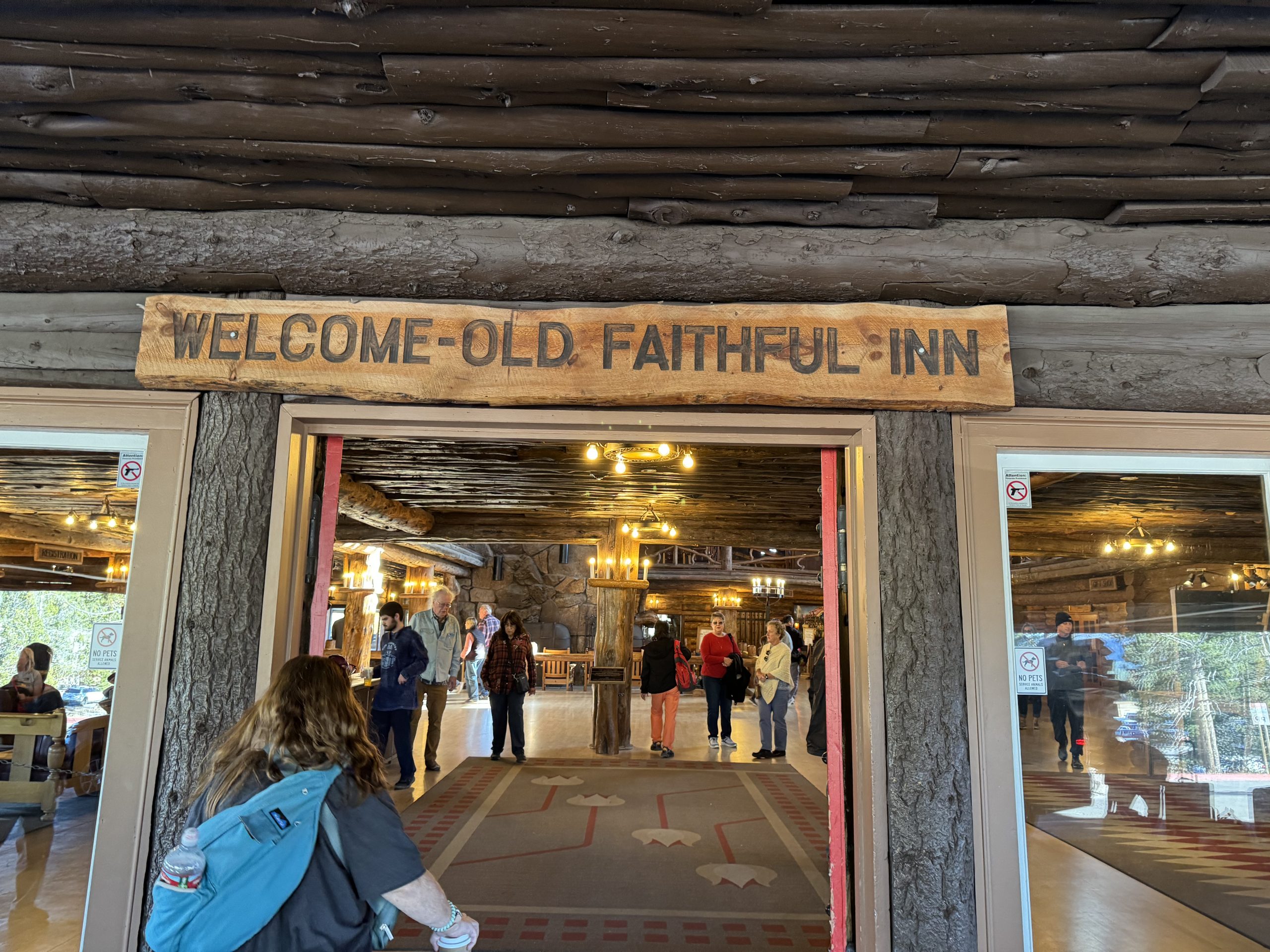
Next door to the geyser is the Old Faithful Inn, one of the most iconic lodges in the national park system. Built in 1904 with massive logs and stonework, it’s a masterpiece of rustic architecture.
- Why Stay or Visit: Even if you’re not spending the night, step inside to admire the grand lobby, towering fireplace, and handcrafted woodwork.
- Bucket List: Watching Old Faithful erupt from the balcony of the Inn is a quintessential Yellowstone experience.
11. Grand Prismatic Spring Overlook: A Rainbow of Colors
The Grand Prismatic Spring is Yellowstone’s most photographed thermal feature—and for good reason. At 370 feet wide, it’s the largest hot spring in the U.S., glowing in vivid rings of orange, yellow, green, and blue.
- Best Way to See It: Take the short hike to the Grand Prismatic Spring Overlook on the Fairy Falls Trail. From above, the full rainbow of colors is breathtaking.
- Tip: Go midday when the sun enhances the colors, but expect crowds. Early morning offers fewer people, though with more steam.
12. Fountain Paint Pot Trail: Bubbling Mud Pots and Geysers
Located in the Lower Geyser Basin, the Fountain Paint Pot Trail showcases a variety of geothermal features in one short loop.
- What You’ll See:
- Bubbling mud pots
- Steaming fumaroles
- Small geysers erupting unpredictably
- Colorful hot springs
- Why Visit: It’s a compact way to experience Yellowstone’s geothermal diversity in under a mile of walking.
Final Thoughts
From steaming geysers to roaring waterfalls and vast wildlife valleys, Yellowstone National Park’s must-see attractions offer something unforgettable at every turn. Whether you’re marveling at the rainbow colors of Grand Prismatic Spring, watching wolves in Lamar Valley, or standing beneath the historic Roosevelt Arch, every stop tells a story of nature’s raw power and beauty.
For first-time visitors, these highlights are the perfect starting point. For return travelers, they’re the places you’ll find yourself drawn back to again and again.
So pack your camera, your sense of wonder, and a little patience for bison traffic jams—Yellowstone is waiting to amaze you.