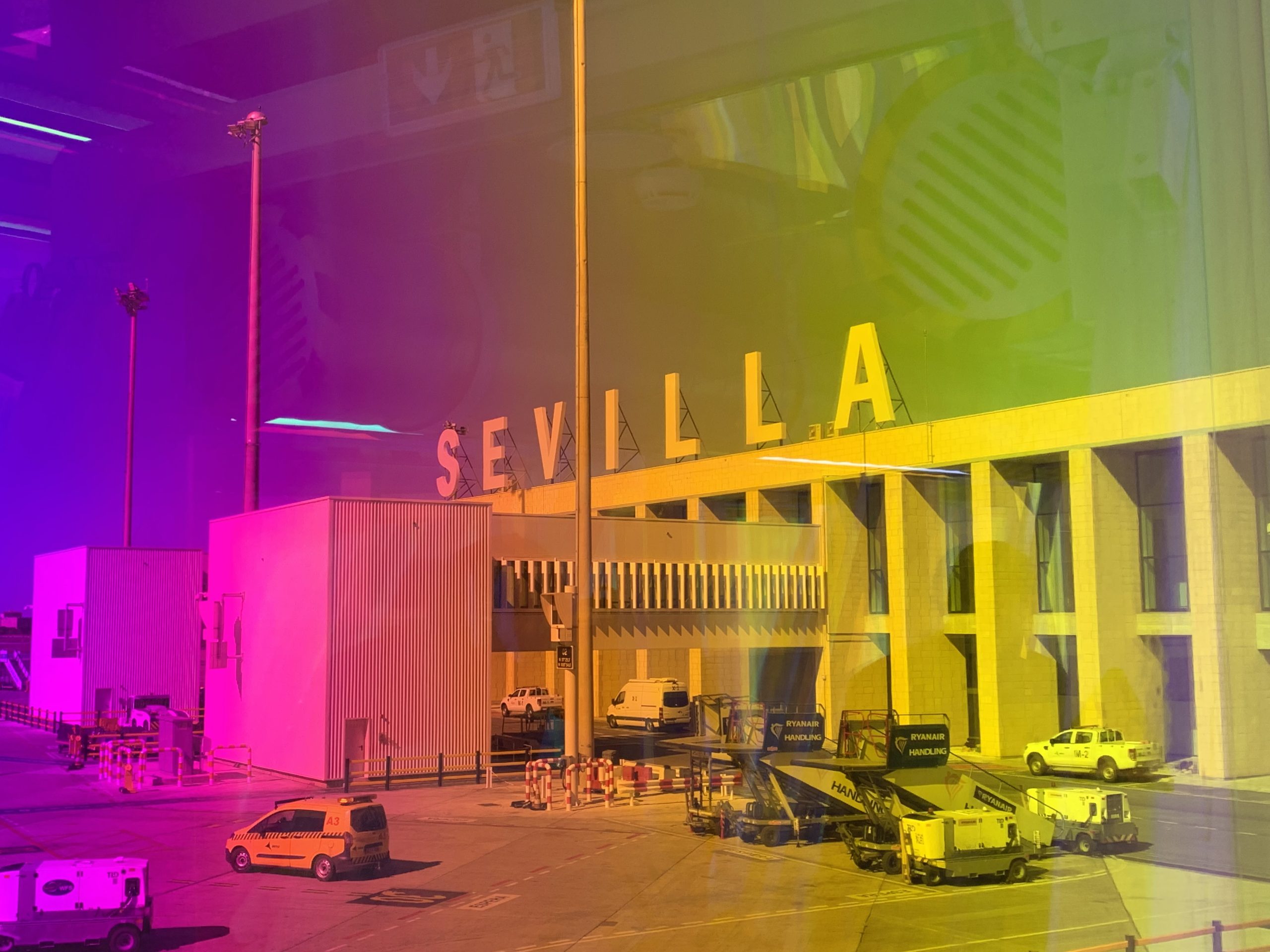
My favorite city…Sevilla, the vibrant capital of Andalusia, Spain, is a city where history, culture, and passion intertwine to create an unforgettable travel experience. From majestic palaces to lively neighborhoods and soul-stirring traditions, Sevilla offers a rich tapestry of sights, sounds, and flavors. In this guide, we’ll explore the best of Sevilla, including must-visit landmarks like the Royal Alcázar, Plaza de España, Parque de María Luisa, Las Setas, Catedral de Sevilla, an iconic flamenco show, and much more. Whether you’re a history enthusiast, a foodie, or a lover of cultural spectacles, Sevilla has something extraordinary for everyone. Let’s dive into the heart of this enchanting city!
- The Royal Alcázar of Sevilla: A Palace of Timeless Beauty
The Royal Alcázar, a UNESCO World Heritage Site, is one of Spain’s most stunning palaces, blending Mudéjar, Gothic, Renaissance, and Romanesque styles. This architectural gem reflects Sevilla’s rich history under Christian and Muslim rule.
Why Visit the Royal Alcázar?
- Stunning Architecture: The Mudéjar Palace’s intricate tilework, horseshoe arches, and ornate stucco are breathtaking.
- Lush Gardens: The Alcázar’s gardens, with fountains, orange trees, and peacocks, offer a serene escape.
- Game of Thrones Fame: Fans will recognize it as the Water Gardens of Dorne.
Tips for Visiting
- Book Tickets in Advance: Purchase online to skip long lines.
- Climb to the upper gallery (Galeria de los Grutescos) to get a bird’s-eye view of the hedge maze and some of the other gardens.
- Best Time to Visit: Early mornings or late afternoons for fewer crowds.
Spend at least two hours exploring the palace rooms, courtyards, and gardens. Don’t miss the Patio de las Doncellas, a courtyard with mesmerizing arches and reflective pools.
Pro Tip: Combine your Alcázar visit with the nearby Catedral de Sevilla and Giralda Tower for a full day of historical immersion.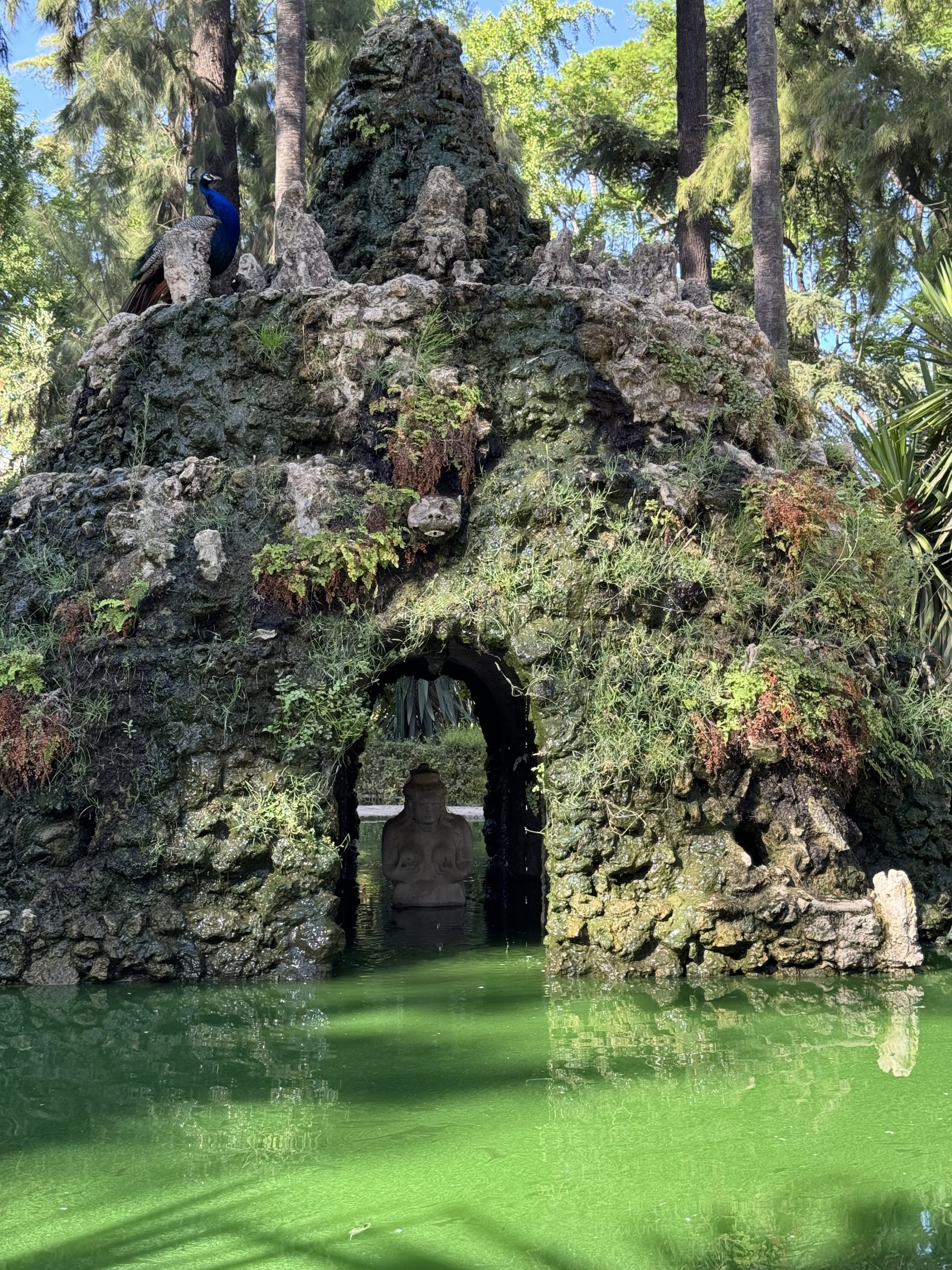
- Catedral de Sevilla and Giralda Tower: A Gothic Masterpiece
The Catedral de Sevilla, the largest Gothic cathedral in the world and a UNESCO World Heritage Site, is a must-visit landmark. Paired with the iconic Giralda Tower, its minaret-turned-belltower, this cathedral is a testament to Sevilla’s spiritual and architectural grandeur.
Why Visit the Catedral de Sevilla?
- Awe-Inspiring Scale: The cathedral’s vast interior features soaring vaults, intricate stained glass, and the tomb of Christopher Columbus.
- Giralda Tower Views: Climb the tower’s gentle ramps (no stairs!) for panoramic views of Sevilla.
- Historical Significance: Built on the site of a 12th-century mosque, it showcases the city’s layered history.
Things to Do
- Admire the Capilla Mayor and its golden altarpiece, one of the largest in the world.
- Explore the Treasury, home to priceless religious artifacts.
- Visit the Patio de los Naranjos, a tranquil courtyard with orange trees.
Visiting Tips
- Purchase a combined ticket for the cathedral and Giralda to save time.
- Visit early in the morning to avoid crowds, especially during peak season.
- Modest dress is required (no bare shoulders or shorts).
Pro Tip: The cathedral is especially magical during Semana Santa, when it serves as a focal point for processions. Bonus tip: Still a must-visit even if you choose not to climb the Giralda.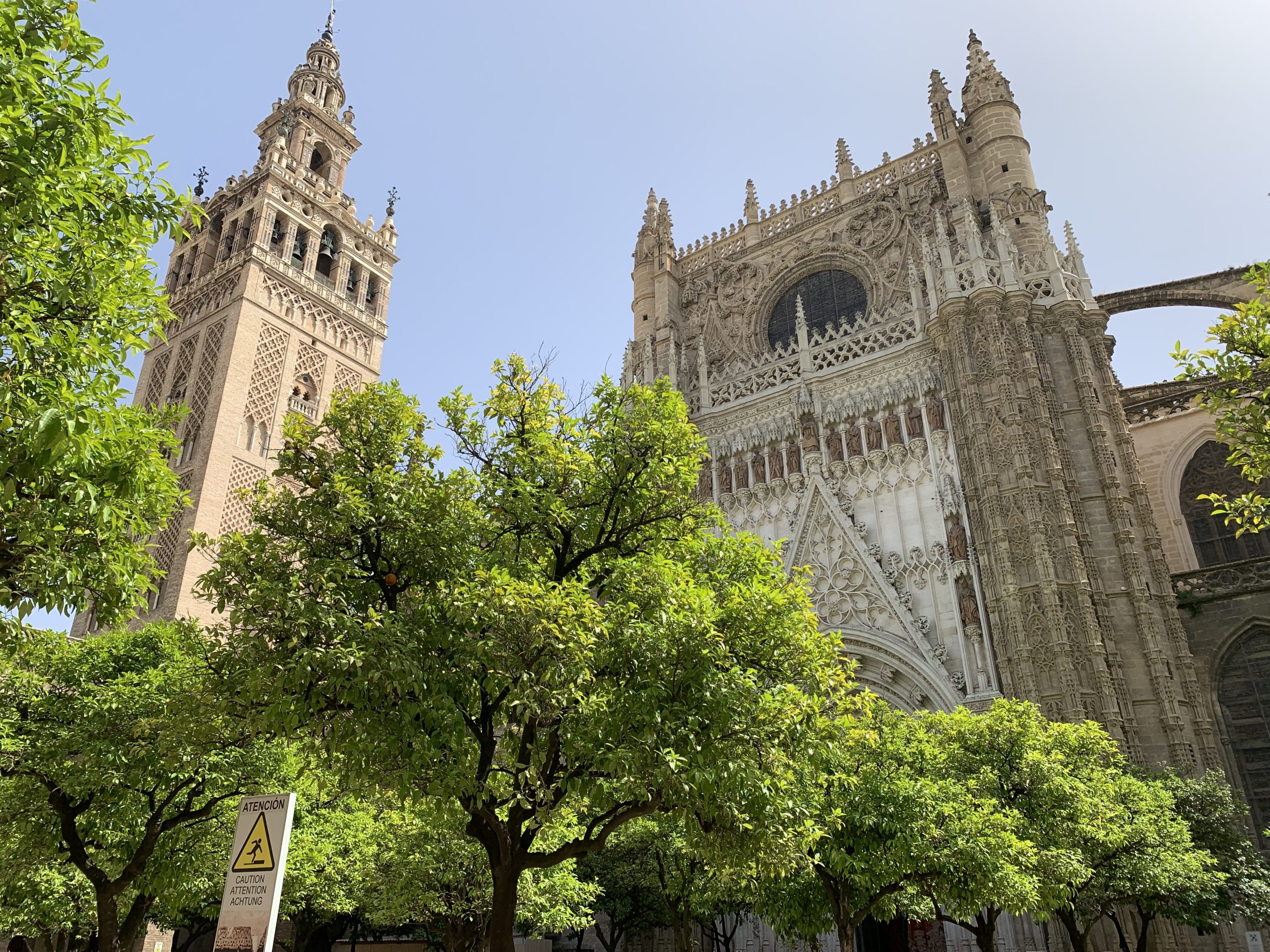
- Plaza de España: Sevilla’s Architectural Gem
The Plaza de España, built for the 1929 Ibero-American Exposition, is a dazzling semi-circular square. Its grand architecture, colorful ceramic bridges, and central fountain make it one of Sevilla’s most iconic landmarks.
What Makes Plaza de España Special?
- Stunning Design: The Renaissance Revival style, with tiled alcoves representing Spain’s provinces, is a photographer’s dream.
- Romantic Boat Rides: Rent a rowboat to glide along the plaza’s canal.
- Star Wars Fame: Naboo scenes from Star Wars: Episode II – Attack of the Clones were filmed here.
Things to Do
- Stroll the tiled benches to admire artwork dedicated to each Spanish province.
- Enjoy a horse-drawn carriage ride for old-world charm.
- Visit in the late afternoon for golden-hour photos or at night when the plaza is beautifully lit.
Pro Tip: Entry is free, making it a budget-friendly highlight for your Sevilla itinerary. Bonus tip: Local flamenco dancers, guitarists, and singers frequently set up in the semicircular arcade or on the tiled staircases.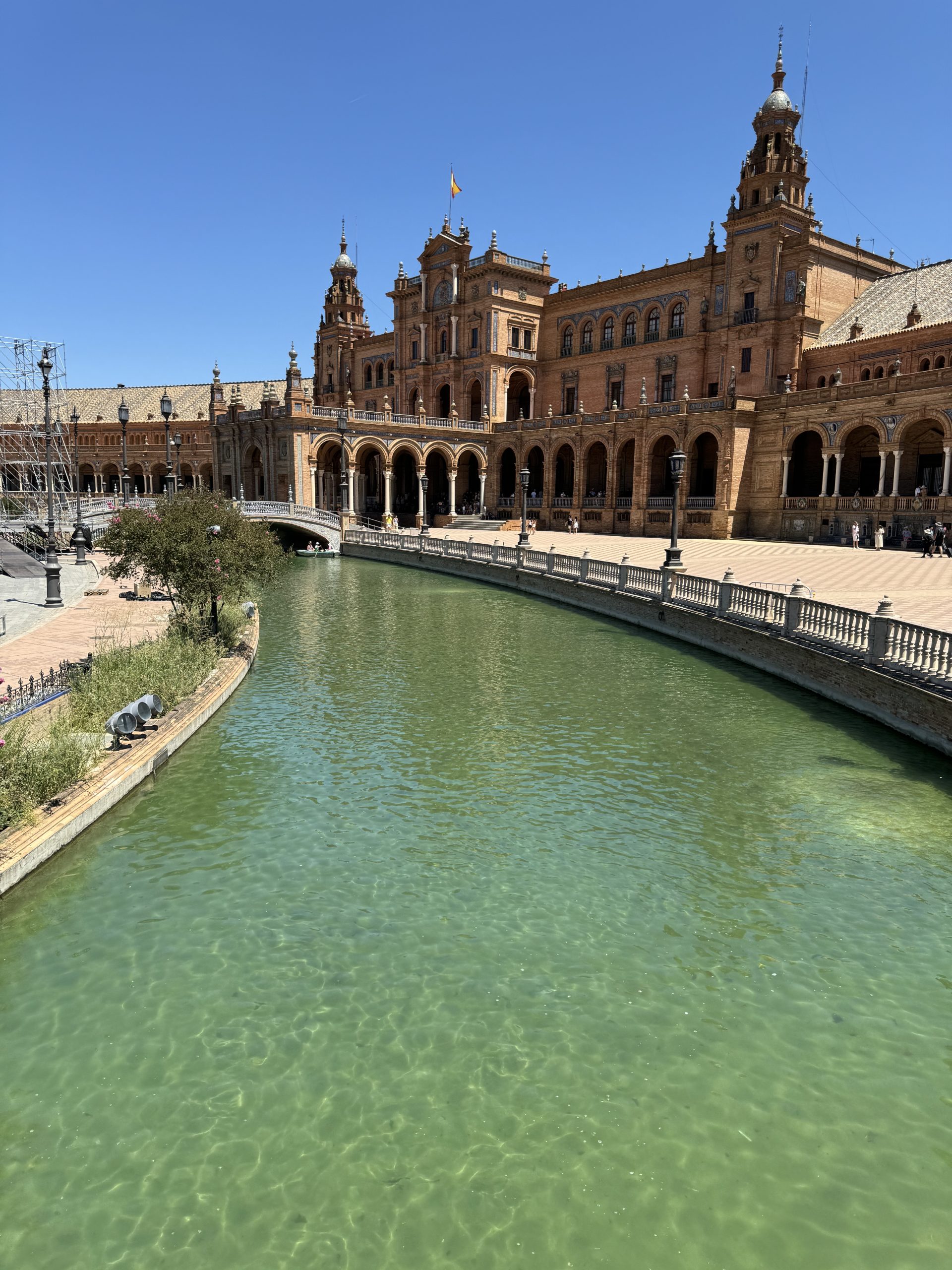
- Parque de María Luisa: Sevilla’s Green Oasis
Adjacent to Plaza de España, the Parque de María Luisa is Sevilla’s largest and most beloved park. Donated in 1893 by Infanta María Luisa Fernanda, this lush space is perfect for a relaxing stroll or picnic.
Highlights of Parque de María Luisa
- Scenic Beauty: Palm trees, fountains, ponds, and colorful flowerbeds create a tranquil setting.
- Charming Pavilions: Discover hidden gazebos and plazas adorned with azulejo tiles.
- Wildlife: Spot parrots, doves, and turtles in the park’s ponds.
Activities to Enjoy
- Rent a bike to explore the park’s winding paths.
- Visit the Glorieta de Bécquer, a romantic monument to poet Gustavo Adolfo Bécquer.
- Relax by the Isabel la Católica Fountain for people-watching.
Pro Tip: Visit in spring for blooming flowers or autumn for vibrant foliage and cooler weather.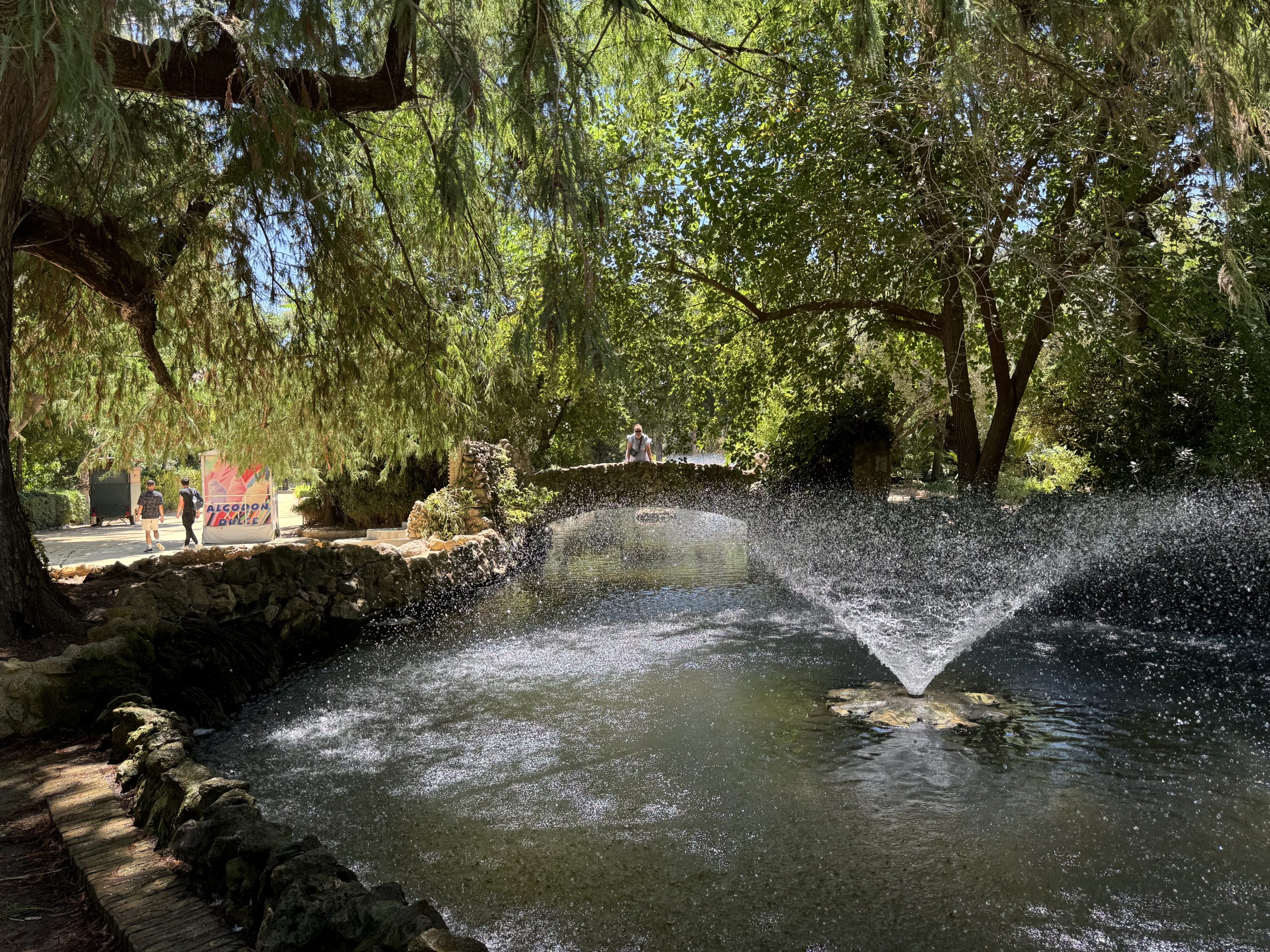
- Mercado de Triana: A Taste of Sevilla’s Culinary Soul
In the lively Triana neighborhood, the Mercado de Triana is a bustling market offering fresh produce, local delicacies, and authentic Sevillian culture.
What to Expect
- Fresh Ingredients: Browse stalls with olives, cheeses, Iberian ham, and seasonal fruits.
- Tapas Bars: Many stalls serve tapas like salmorejo (chilled tomato soup) and croquetas.
- Cultural Vibe: Triana, the birthplace of flamenco, infuses the market with vibrant energy.
Foodie Tips
- Try pescaíto frito (fried fish) or espinacas con garbanzos (spinach and chickpea stew).
- Visit in the morning for the freshest produce and lively atmosphere.
- Pair with a walk along the Guadalquivir River for scenic views.
Pro Tip: Join a cooking class or food tour starting at the market for an immersive culinary experience.
- Santa Cruz Neighborhood: Sevilla’s Charming Historic Quarter
The Santa Cruz Neighborhood, Sevilla’s historic Jewish quarter, is a maze of narrow cobblestone streets, whitewashed houses, and flower-filled courtyards bursting with charm.
Why Explore Santa Cruz?
- Romantic Ambiance: Quaint squares and patios make it perfect for leisurely walks.
- Historical Significance: Once home to Sevilla’s Jewish community, it’s steeped in history.
- Tapas and Flamenco: Packed with tapas bars and flamenco venues.
Must-Do Activities
- Wander Callejón del Agua, a picturesque alley with colorful buildings.
- Visit the Hospital de los Venerables, a 17th-century baroque courtyard.
- Enjoy tinto de verano (summer red wine) at a tapas bar like Casa Morales.
Pro Tip: Rosina’s Balcony (Balcon de Rosina) from the opera The Barber of Seville is located in the neighborhood.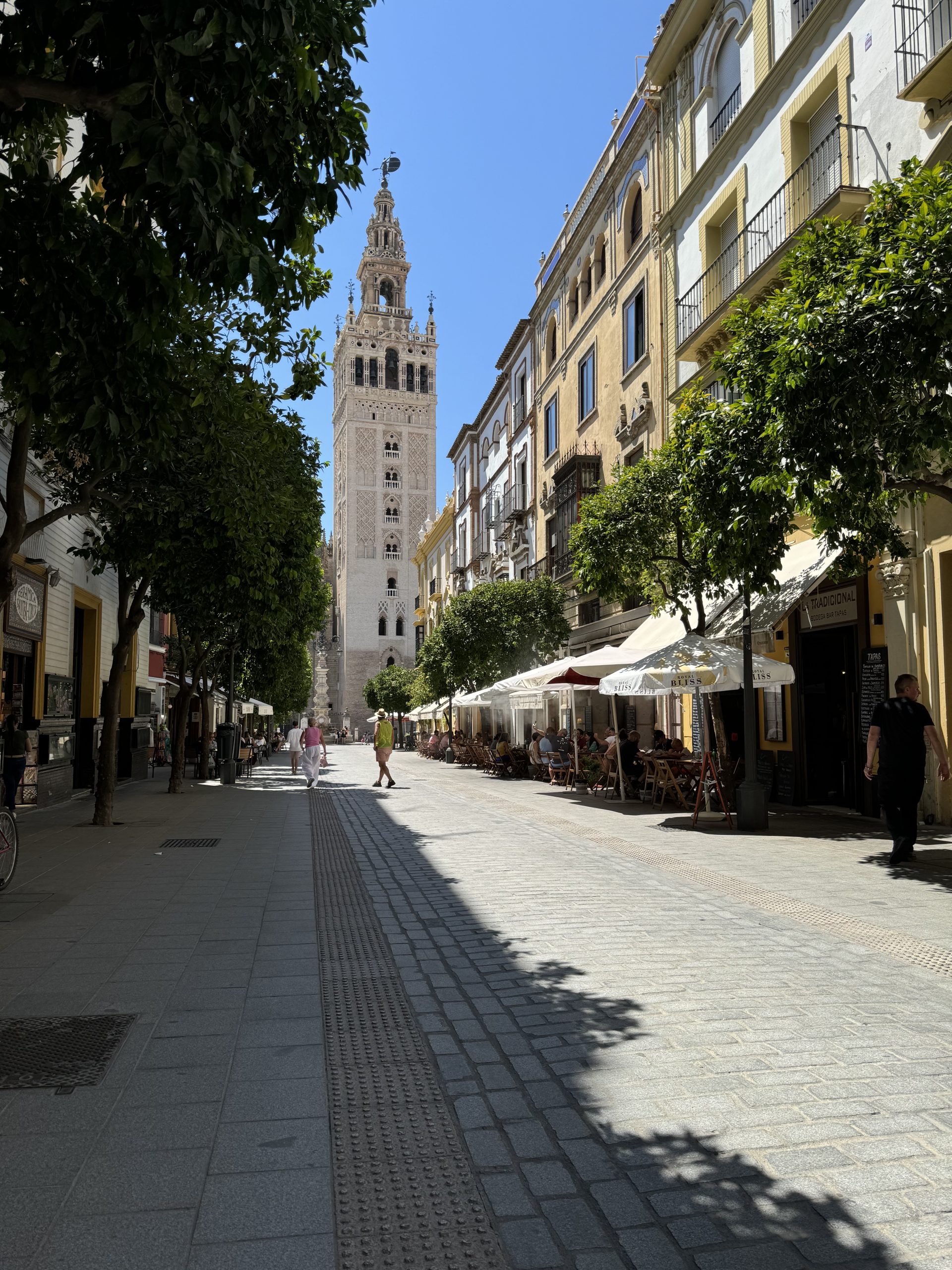
–
- Flamenco Show at Tablao El Arenal: Passion in Motion
Sevilla is the heart of flamenco, and a show at Tablao El Arenal in the El Arenal neighborhood offers an authentic, soul-stirring experience. This renowned venue is known for its intimate setting and world-class performers.
Why Visit Tablao El Arenal?
- Authentic Flamenco: Expect powerful singing, intricate guitar, and passionate dancing.
- Intimate Venue: The small space ensures a close-up view of the performers.
- Dinner Option: Pair the show with traditional Andalusian cuisine for a complete evening. (I recommend the drinks and tapas option and eating dinner after the show.)
Tips for Visiting
- Book in Advance: Shows often sell out, so reserve tickets online.
- Timing: Evening shows (around 7 PM or 9 PM) allow you to enjoy dinner afterward.
- Dress Smartly: While not mandatory, smart-casual attire enhances the experience.
Pro Tip: For a deeper dive into flamenco culture, visit the Flamenco Museum in Santa Cruz before the show.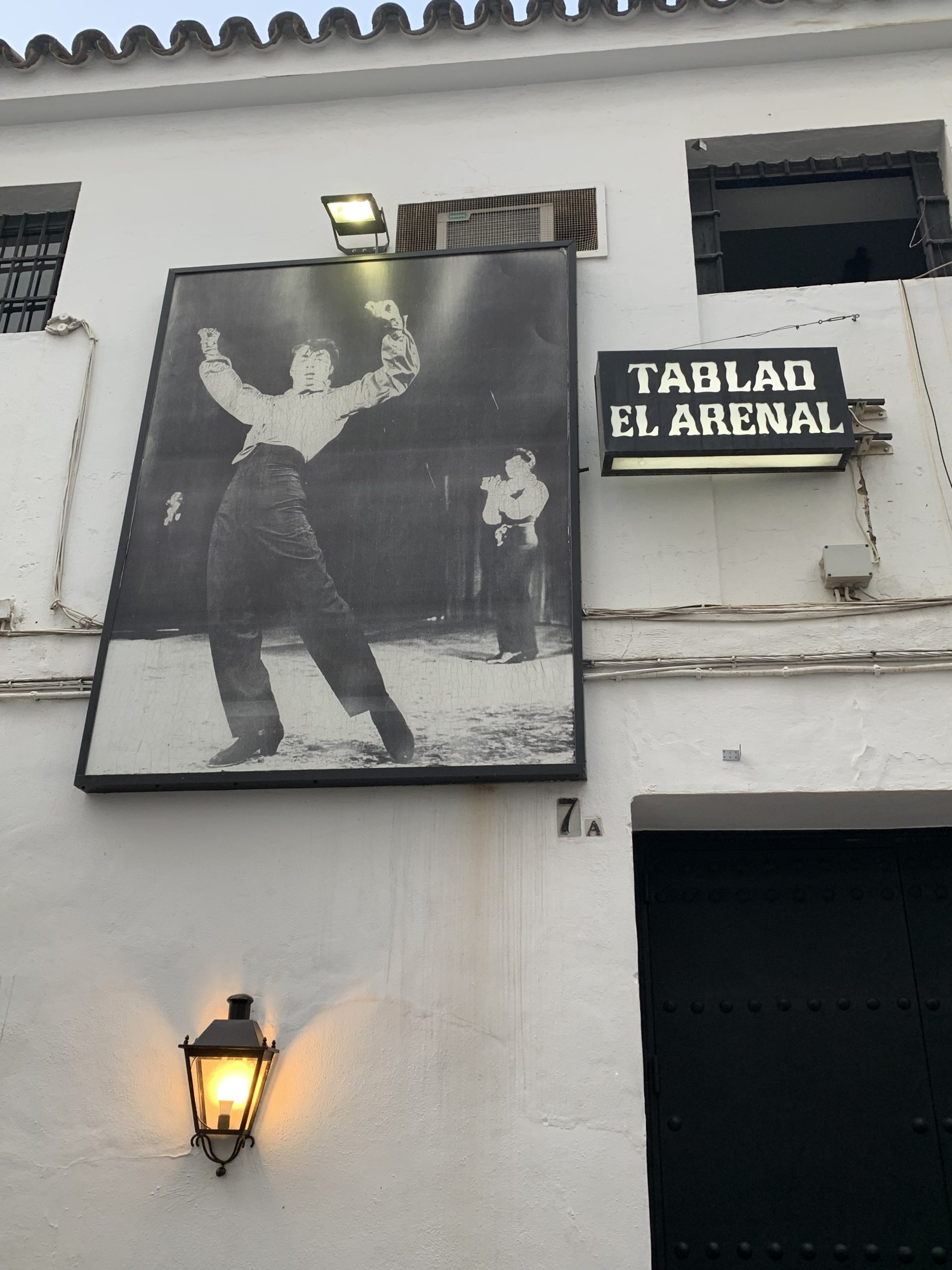
- Semana Santa Procession: A Spiritual Spectacle
The Semana Santa (Holy Week) processions, held the week before Easter, are one of Sevilla’s most iconic cultural events. These solemn yet spectacular parades feature elaborate floats (pasos), hooded penitents, and emotional music, drawing locals and visitors alike.
Why Experience Semana Santa?
- Cultural Immersion: The processions reflect Sevilla’s deep religious and cultural heritage.
- Visual Splendor: Intricately decorated floats carry life-sized statues of Jesus and the Virgin Mary.
- Emotional Atmosphere: The haunting saetas (spontaneous religious songs) create a moving experience.
Tips for Attending
- Plan Ahead: Book accommodations early, as Sevilla gets crowded during Holy Week.
- Best Spots: Watch from the Catedral de Sevilla area or along Calle Sierpes for prime views. (However, the processions travel throughout the city practically all day during Holy Week.)
- Respect the Event: Maintain silence during the processions.
Pro Tip: Check the official Semana Santa schedule to catch processions by major brotherhoods (hermandades), like La Macarena or El Gran Poder.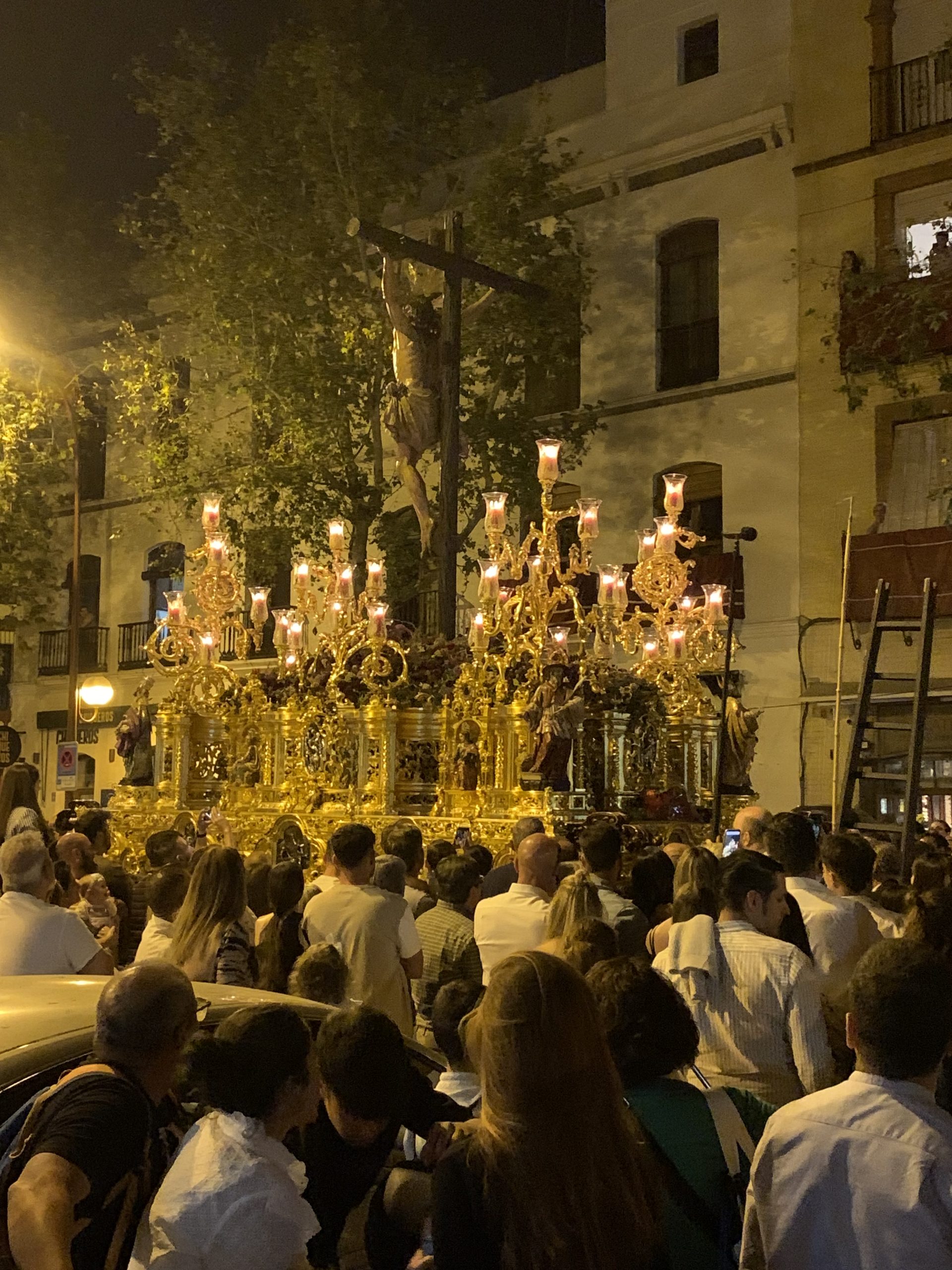
- Noches en los Jardines del Alcázar: A Magical Summer Experience
The Noches en los Jardines del Alcázar (Nights in the Alcázar Gardens) is a summer concert series held in the Royal Alcázar’s gardens from June to September. These open-air performances feature classical music, flamenco, and jazz under the stars.
Why It’s Special
- Enchanting Setting: The illuminated gardens create a magical atmosphere.
- Diverse Performances: From guitar recitals to string quartets, there’s something for everyone.
- Cultural Immersion: Celebrates Sevilla’s artistic heritage.
Planning Your Visit
- Book Early: Tickets sell out quickly; reserve online.
- Dress Code: Smart-casual attire matches the elegant ambiance.
- Timing: Concerts start at 10:30 PM, perfect for a late-night cultural experience.
Pro Tip: Arrive early to wander the gardens before the concert. Bonus tip: Bring a handheld fan.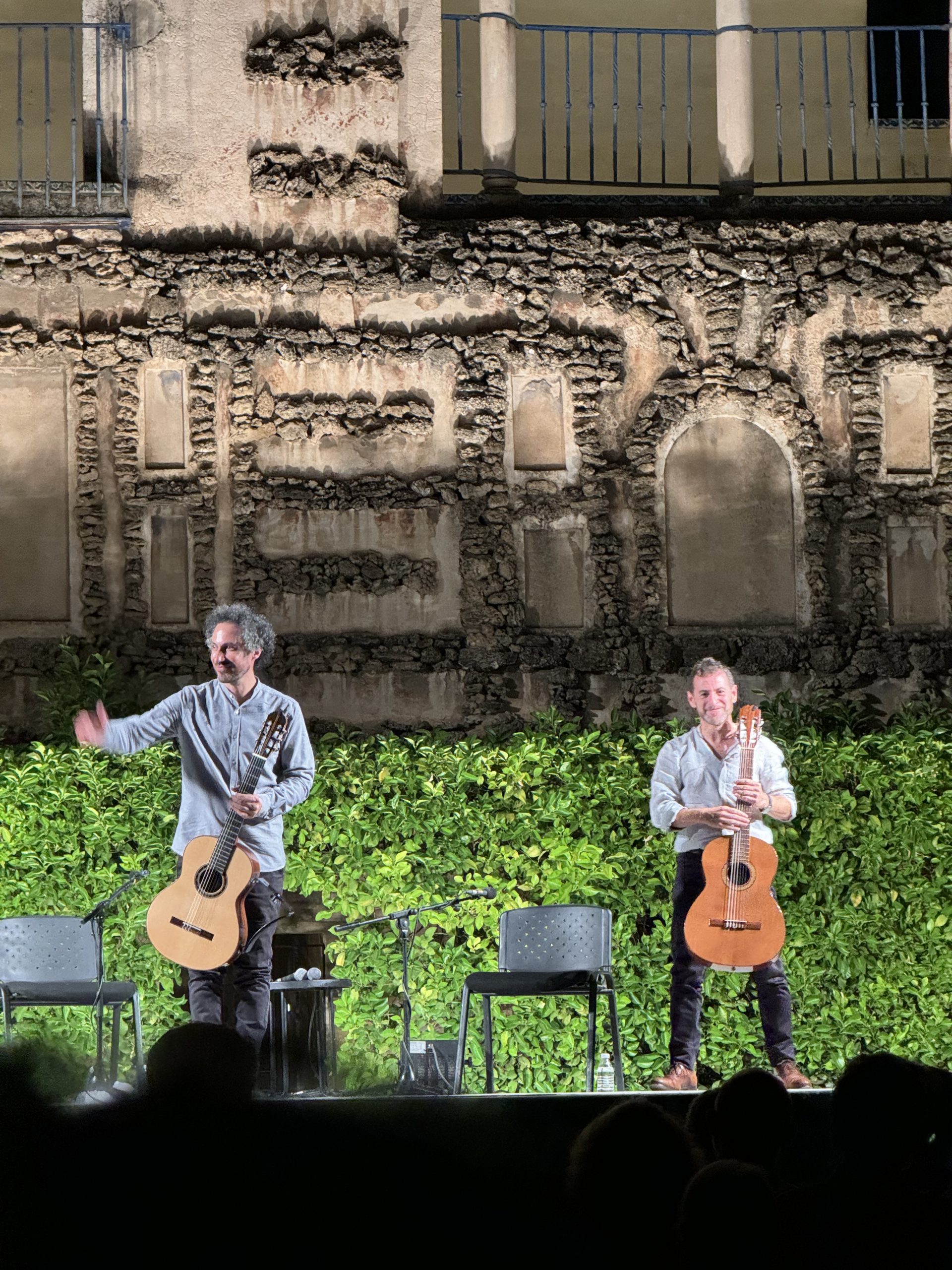
- Palacio de Dueñas: A Hidden Aristocratic Gem
The Palacio de Dueñas, a 15th-century palace, offers a glimpse into aristocratic life. Owned by the House of Alba, it’s filled with art, history, and beautiful courtyards.
Highlights
- Art and Antiques: Paintings, tapestries, and furniture from centuries past.
- Lush Gardens: Lemon tree-filled courtyards offer a peaceful retreat.
- Literary Connection: Poet Antonio Machado was born here.
Visiting Tips
- Audio guides enhance the experience.
- Visit in the morning for a quieter experience and to enjoy the serene courtyards.
- Combine with a visit to nearby Las Setas for a contrast of old and new Sevilla.
Pro Tip: Photography is allowed in the gardens but restricted in some interior areas, so check the rules before taking photos.
- Las Setas (Metropol Parasol): Sevilla’s Modern Marvel
Known as Las Setas (The Mushrooms), the Metropol Parasol in Plaza de la Encarnación is a striking wooden structure completed in 2011. One of the world’s largest wooden structures, it contrasts Sevilla’s historic architecture with its bold, futuristic design.
Why Visit Las Setas?
- Panoramic Views: The rooftop walkway offers sweeping views of Sevilla’s skyline, especially stunning at sunset.
- Archaeological Museum: The Antiquarium below showcases Roman ruins discovered during construction.
- Vibrant Plaza: The surrounding area buzzes with cafes, markets, and street performers.
Things to Do
- Walk the elevated pathways for city views.
- Visit the Mercado de la Encarnación at the base for local snacks and souvenirs.
- Check for events like concerts or markets in the plaza.
Pro Tip: Buy a timed ticket to coincide with sunset. The views at the golden hour are amazing, and as the sun sets, Las Setas comes alive with colorful lights.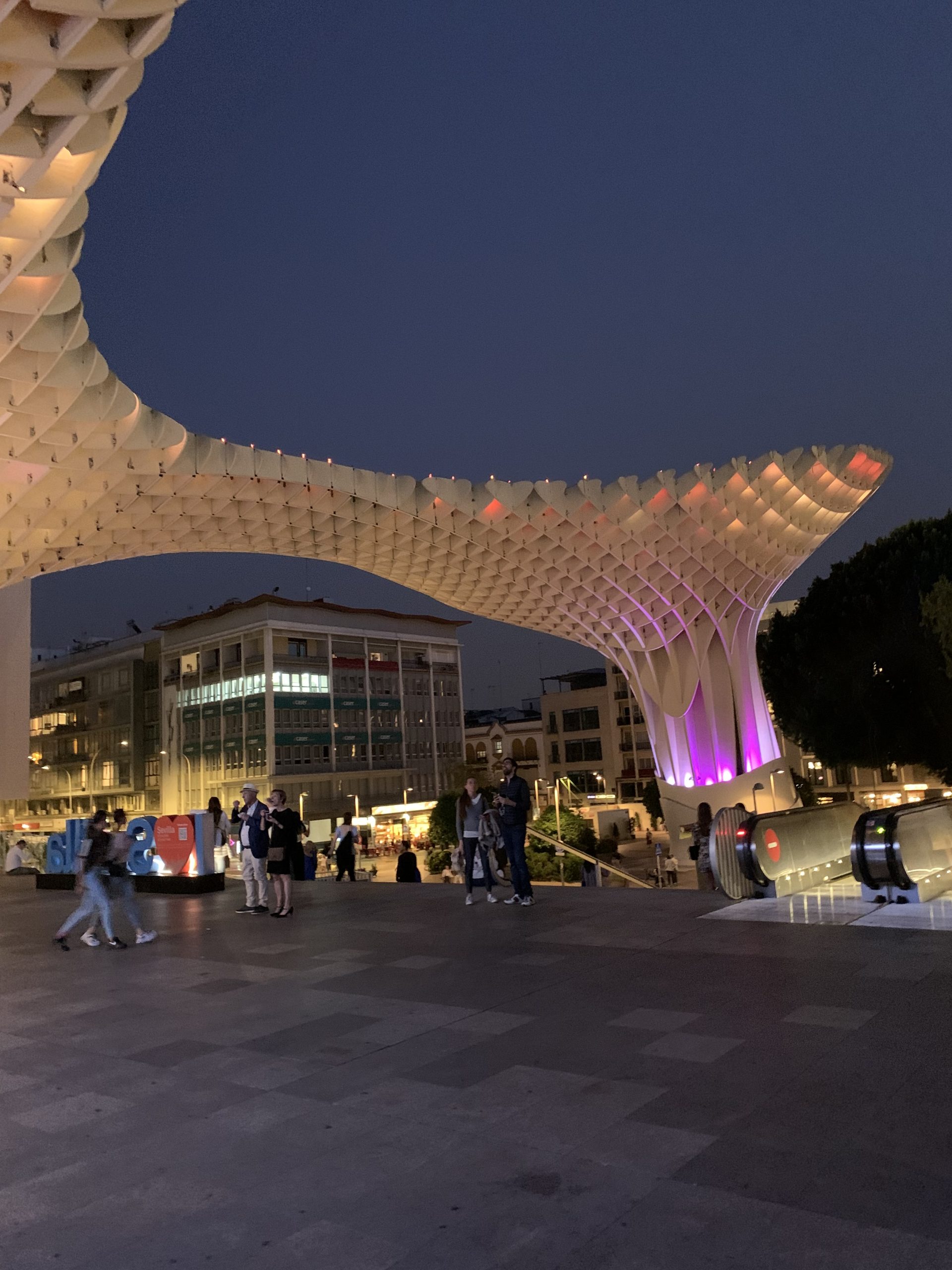
- Casa de Pilatos: A Blend of Mudéjar and Renaissance
The Casa de Pilatos, a 16th-century palace, is a hidden gem combining Mudéjar, Renaissance, and Gothic styles. Owned by the Medinaceli family, it offers an intimate alternative to the Alcázar with fewer crowds.
What to See
- Tiled Courtyards: The patio’s azulejo tiles and arches are a highlight of Mudéjar design.
- Art Collection: Features works by Goya and Italian Renaissance painters.
- Gardens: Two small gardens provide a quiet retreat.
Visiting Tips
- Guided tours of the upper floors offer access to private rooms and more art.
- Visit in spring when the gardens’ orange blossoms fill the air.
- Allow about an hour to explore the palace and gardens.
Pro Tip: A short walk from Santa Cruz, it’s easy to combine with other attractions in the neighborhood.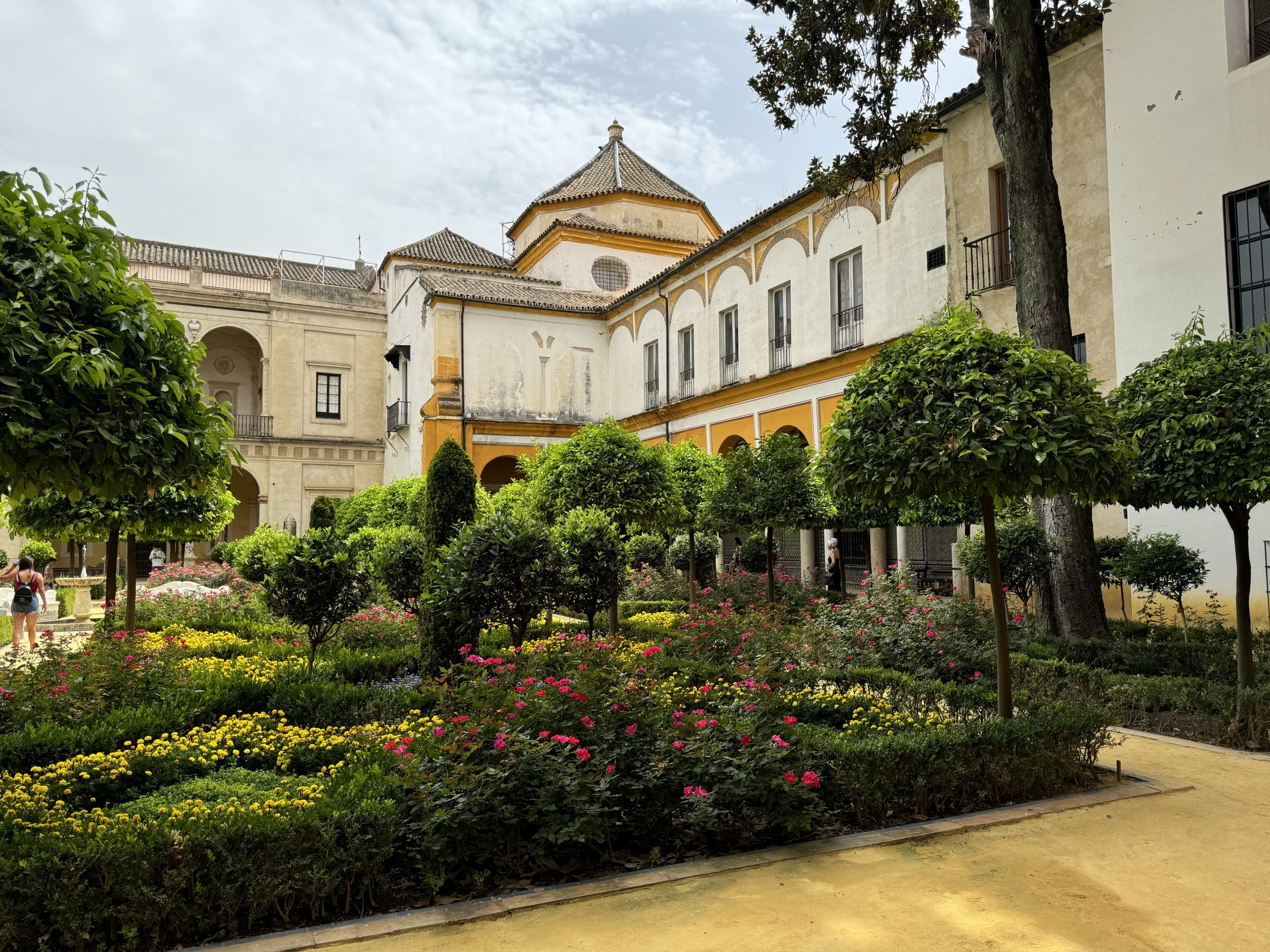
- Convento de San Leandro: A Sweet Spiritual Stop
The Convento de San Leandro, a 13th-century convent, is famous for its yemas, traditional egg-yolk sweets made by the nuns. This working convent offers a glimpse into Sevilla’s religious heritage and culinary traditions.
Why Visit?
- Authentic Treats: Purchase yemas through the convent’s torno (revolving window) for a unique experience.
- Historical Charm: The simple architecture contrasts with Sevilla’s grand palaces.
Tips for Visitors
- Check the limited opening hours before visiting.
- Be respectful, as this is an active religious site.
- Combine with a visit to Santa Cruz or Casa de Pilatos for a full morning of exploration.
Pro Tip: Bring cash, as the nuns don’t accept card payments for their sweets.
Why Sevilla Should Be Your Next Destination
Sevilla is a city that captivates with its blend of history, culture, and passion. From the intricate beauty of the Royal Alcázar to the soulful rhythms of a flamenco show at Tablao El Arenal, every experience in Sevilla feels deeply authentic. Wander the charming streets of Santa Cruz, savor tapas at Mercado de Triana, or witness the emotional intensity of a Semana Santa procession. Whether you’re climbing the Giralda Tower, strolling through Parque de María Luisa, or marveling at the modern Las Setas, Sevilla promises moments of wonder at every turn.
Plan your trip to include these best of Sevilla attractions, and let the city’s vibrant spirit sweep you away. Have you visited Sevilla or experienced Semana Santa? Let us know if you need help crafting your perfect Sevilla itinerary!
Powered by GetYourGuide